⚡ Key takeaways
- Plan early: choose ATOL-protected packages, confirm bookings in writing, and check visa requirements carefully.
- Keep passport, visa, bookings, insurance, emergency contacts and Saudi riyals accessible in printed and digital copies.
- Umrah consists of ihram at miqat, seven Tawaf circuits, seven Sa’i lengths, then hair trimming or shaving.
- In ihram, avoid perfume, hair or nail cutting, marital intimacy and hunting; men must not cover their heads.
- During Tawaf, keep the Kaaba on your left; do not push to touch the Black Stone.
- Complete Umrah at Marwah by shaving or evenly shortening hair; women trim approximately a fingertip’s length.
First Time Umrah Guide for First-Time Pilgrims
For first-time pilgrims, Umrah is both beautifully simple and deeply personal: a journey of worship centred on entering ihram, performing tawaf around the Kaaba, completing sa’i between Safa and Marwah, and ending with the trimming or shaving of the hair. Yet the practical details can feel unfamiliar when you are preparing from abroad or arriving in Makkah for the first time. This first time Umrah guide from Perfect Umrah offers a clear, considered starting point, helping you understand what to prepare, what to expect, and how to move through each rite with calm attention. The most important preparation is a sincere intention. Umrah is not a race through a checklist, nor a sightseeing itinerary; it is time set aside for prayer, reflection, and closeness to Allah. A reliable Umrah guide can clarify the sequence, but allow room for your own du’a and pace. With the essentials arranged in advance, first-time pilgrims can focus less on uncertainty and more on the meaning of every step of this blessed pilgrimage.
Plan Your Umrah: Travel Dates, Packages and the Umrah Visa
Thoughtful planning makes Umrah feel calmer from the moment you leave home. For UK pilgrims, the right travel dates, a well-matched package and clear umrah visa arrangements create room to focus on worship. Choose ATOL-protected packages, confirm every booking in writing, and remember that Hajj-season demand can affect availability.
Documents, bookings and a flexible first-visit itinerary
Begin with your passport: it should have sufficient validity for your journey, and its details must match every flight, hotel and visa application exactly. Keep digital and printed copies of your passport, visa, return itinerary, hotel confirmations, travel insurance and emergency contacts in one accessible place.
For a first visit, avoid an overfilled schedule. Build in time after arrival to rest, collect essential items and understand the route between your hotel and the Haram. Book key elements well in advance, but leave space for prayer, reflection and the natural adjustments that a long journey can require. A trusted adviser can guide you step by step through timings, transport and practical preparations, so the arrangements support rather than distract from your Umrah.
First-Visit Umrah Preparation Checklist
| Preparation area |
What to prepare |
When to check |
| Passport |
Ensure it has sufficient validity and that its details match all flight, hotel and visa applications. |
Before making or confirming bookings |
| Travel documents |
Keep your passport, visa, return itinerary, hotel confirmations, travel insurance and emergency contacts accessible. |
Before departure |
| Digital and printed copies |
Prepare both digital and printed copies of essential documents. |
Before departure |
| Key bookings |
Book important journey elements well in advance. |
Well before travel |
| Arrival planning |
Allow time to rest, collect essential items and understand the route between the hotel and the Haram. |
When planning the first day |
| Itinerary flexibility |
Leave space for prayer, reflection and adjustments after a long journey. |
When creating the itinerary |
Pack and Prepare Before You Leave
A well-packed bag makes the first days of Umrah calmer, particularly after a long flight into Jeddah or Madinah. Keep passports, visas, hotel confirmations, transport details, prescribed medication and a small amount of Saudi riyals together in a secure, easily reached travel wallet. Download offline maps and your hotel address in both English and Arabic, and carry a power bank for busy airport-to-hotel transfers.
For men, two clean sets of ihram are sensible: one to wear and one as a backup, along with unscented toiletries, comfortable sandals and a light belt or pouch for essentials. Women should choose loose, breathable clothing that feels comfortable in warm weather and brings an extra scarf, socks and a light outer layer for cool indoor spaces. Everyone should pack blister plasters, fragrance-free sunscreen, a reusable water bottle and supportive walking footwear. Before leaving, review the practical steps of ihram tawaf so the focus on arrival remains where it should be: prayer, purpose and a composed beginning to your pilgrimage.
Essential Umrah Packing Checklist
- Keep passports, visas, hotel confirmations, transport details, medication and Saudi riyals in an accessible secure travel wallet.
- Download offline maps and save your hotel address in English and Arabic before travelling.
- Carry a charged power bank for airport transfers, hotel check-in and navigation.
- Men should pack two clean ihram sets, unscented toiletries, sandals and a small essentials pouch.
- Women should bring loose breathable clothing, an extra scarf, socks and a light indoor layer.
- Pack blister plasters, fragrance-free sunscreen, a reusable bottle and supportive walking footwear.
- Review ihram and tawaf steps before departure for a calmer, more focused arrival.
To perform Umrah with confidence, learn the sequence before reaching Makkah: enter ihram at the proper point, complete Tawaf around the Kaaba, walk Sa’i between Safa and Marwah, then trim or shave the hair. These essential Umrah rules are straightforward when each perform Umrah step is approached calmly and sincerely.
Ihram for beginners: intention, clothing and Umrah rules
Ihram begins at the miqat, the designated boundary for pilgrims approaching Makkah. Make a sincere intention in your heart to perform Umrah; there is no need for a complicated spoken formula. Men wear two clean, unstitched white cloths, while women wear modest, loose clothing that covers them appropriately without a fixed colour or uniform.
Once in ihram, observe the Umrah rules: avoid perfume, cutting hair or nails, marital intimacy and hunting. Men should not cover their heads, and women should not wear a face veil or gloves specifically fashioned for ihram. Keep your focus gentle and prayerful as you travel towards the Haram for Ihram Tawaf.
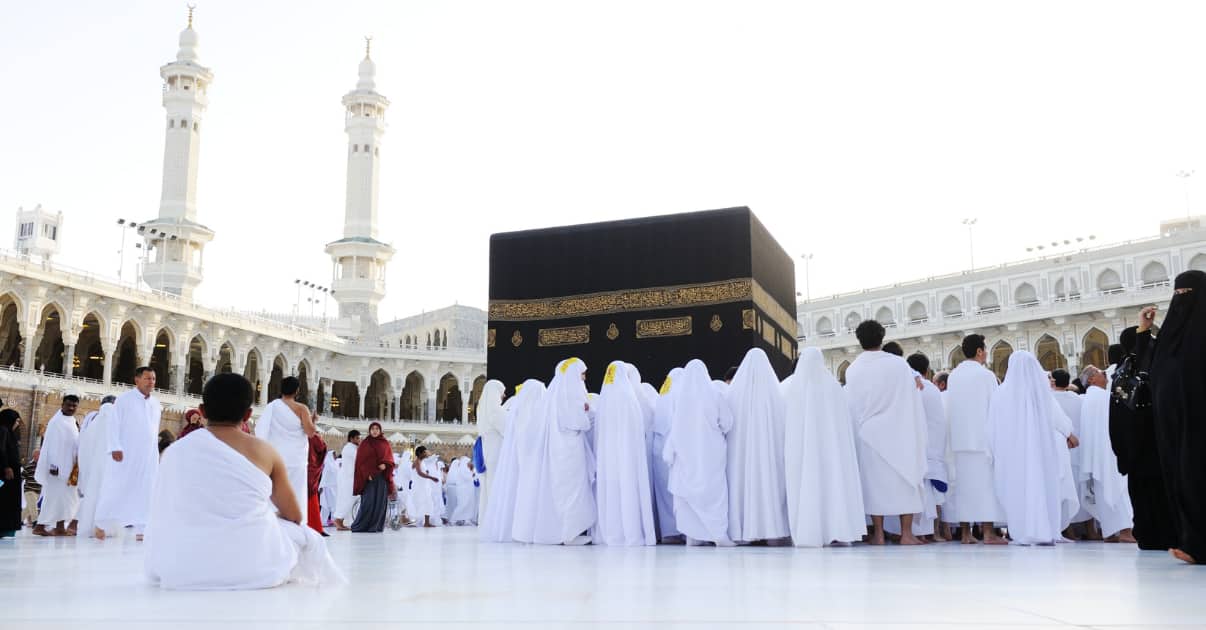
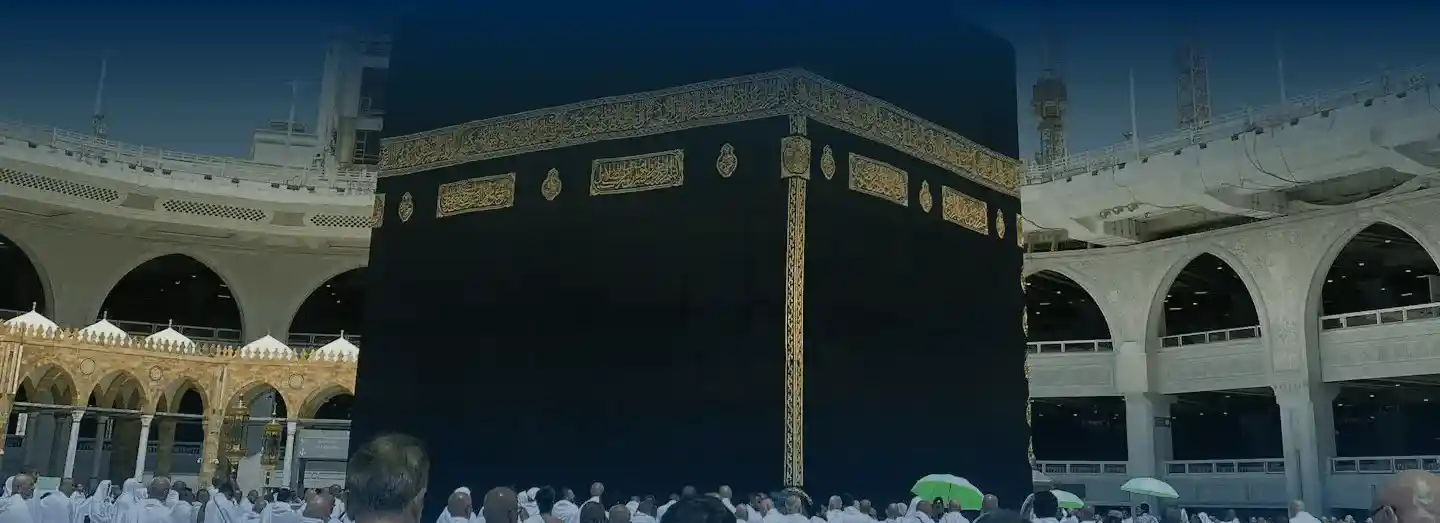
On entering the Haram, proceed to the Kaaba and begin Tawaf from the Black Stone, keeping the Kaaba on your left. Complete seven circuits at a comfortable pace; crowded conditions call for patience, not haste. You do not need to reach or touch the Black Stone. Simply gesture towards it when possible and continue.
Make dua in words that are meaningful to you. There is no compulsory Umrah dua for each circuit, so recite Qur’an, offer personal prayers or remember Allah. After Tawaf, pray two rak’ahs where practical, then begin Tawaf Sa’i at Safa. Walk seven lengths between Safa and Marwah, starting at Safa and finishing at Marwah. This is the central perform Umrah step after Tawaf.
How to complete Umrah with hair trimming or cutting
After completing Sa’i at Marwah, the final act is to remove hair, which allows you to leave ihram and complete Umrah. Men may shave the head completely, which is considered especially meritorious, or shorten hair evenly from across the entire head. Cutting only a small lock is not sufficient.
Women trim a small amount, roughly the length of a fingertip, from the ends of their hair. This can be done privately, either by gathering the hair together or trimming separate sections. Once the hair has been shaved or trimmed, the restrictions of ihram end. Your Umrah is complete, and you may change clothes, use fragrance and return to your usual routine with gratitude.
Arriving in Makkah and Finding Your Way Around the Haram
Arrival in Makkah is often emotional, particularly after a long journey, so give yourself permission to slow the first evening down. Check in, drink water, organise your Ihram and essentials, then take a few minutes to understand the route between your hotel and the haram. In the central area, landmarks matter more than street names: note the nearest gate, your hotel tower or sign, and a clear meeting point for anyone travelling with you. The surrounding roads can be busy at prayer times, and the most direct-looking path is not always the easiest for tired pilgrims, older travellers or those with pushchairs. Inside the haram, orient yourself by the Kaaba, the main prayer levels and the numbered gates; staff and volunteers are usually ready to help when asked politely. Keep your phone charged, carry your hotel card, and agree on a simple plan should your group become separated. A little preparation makes the practical side of travel feel calmer, leaving more space for the purpose of your visit.
Stay Well During Umrah: Heat, Walking and Rest
Umrah asks more of the body than many first-time pilgrims expect. In Makkah’s heat, the walks between rites, time on your feet and crowded prayer areas can make even a well-planned day feel long. Prepare with breathable, loose-fitting ihram or modest clothing, supportive footwear for journeys outside the tawaf area, and a small refillable water bottle whenever permitted. Drink regularly rather than waiting until you feel thirsty, and use shaded routes, covered walkways and air-conditioned spaces whenever possible. For tawaf and sa’i, choose a quieter time if your schedule allows; the upper levels and mobility services can be especially helpful for older pilgrims, families and anyone managing an injury. Pace yourself without guilt. Umrah is an act of worship, not a test of endurance, and a short rest before prayer or after sa’i can protect your energy for the days ahead. Keep essential medicines, rehydration salts and a light snack close by, particularly if you have diabetes or another ongoing condition. If dizziness, chest pain or severe fatigue develops, stop and seek medical assistance promptly.
Practical Advice for Women, Families and Reduced-Mobility Travellers
A thoughtful plan makes Umrah calmer for every traveller, particularly during busy prayer times and peak seasons. Women should keep a small, easy-to-carry bag with water, tissues, medication, a phone charger and any essential personal items; choose comfortable, modest clothing and footwear that can cope with long walks. Men should practise wearing ihram before departure, carry a light belt or pouch for documents, and bring sandals that are secure yet simple to remove where needed. For first-time pilgrims, it helps to save offline maps, agree a meeting point with companions and learn the basic sequence of rites before arriving at the Haram.
Families should set an unhurried pace, keep children close in crowded areas and avoid attempting tawaf when everyone is tired or hungry. Wheelchair users and reduced-mobility travellers can request assistance through official services, but should allow additional time for routes, lifts and prayer access. A folding wheelchair, where appropriate, and a companion who understands the itinerary can make a meaningful difference. Above all, do not measure the experience by speed: pause, rest and complete each act of worship with care.
If Plans Change or You Feel Overwhelmed
Even the most carefully arranged Umrah can bring an unexpected delay, a crowded entrance, fatigue after a long flight, or a moment when the scale of the Haram feels emotionally intense. Give yourself permission to slow down. Pilgrims do not need to complete every intention on a rigid timetable; calm, safety and sincerity matter more than keeping pace with a schedule. Step into a quieter area, drink water, sit where permitted and allow the flow around you to settle before deciding what comes next.
A trusted guide can be especially reassuring when plans shift. They can clarify meeting points, advise on less busy times for particular rites and help you distinguish a genuine concern from the normal uncertainty of travel in Makkah. If your group becomes separated, avoid rushing through dense crowds to reconnect; use the agreed contact method and return to the designated point when it is safe. Keep your hotel card, phone charger and essential documents accessible, but carry only what you need. Above all, approach the journey with gentleness: a brief pause can restore the focus needed to continue with confidence and presence.
When Plans Need Adjusting
- Pause and breathe if crowds, delays or fatigue make the experience feel overwhelming.
- Choose calm, safety and sincerity over completing every planned activity on schedule.
- Move to a quieter permitted area, drink water and rest before deciding your next step.
- Ask a trusted guide about meeting points, quieter times and practical changes to your plans.
- If separated from your group, avoid rushing through crowds; use your agreed contact method.
- Return to the designated meeting point when it is safe and practical to do so.
- Keep your hotel card, phone charger and essential documents accessible while carrying only necessities.
How Long Does Umrah Take, and What Happens After?
For most pilgrims, Umrah takes around two to four hours from the start of Tawaf to the final trimming or shaving of the hair. The timing can be shorter during quieter periods, but it may take longer in Ramadan, on Fridays, or when the Mataf and Safa-Marwah levels are particularly busy. Your pace, mobility needs, whether you pause for prayer, and the location from which you begin all shape the experience. There is no need to rush: a calm, attentive Umrah is more valuable than trying to finish quickly.
You complete Umrah after Sa’i and the final act of halq or taqsir. Men may shave the head completely, which is preferred, or shorten the hair; women trim a small amount from the ends of their hair. Once this is done, the restrictions of ihram end. You may change into ordinary clothes, use fragrance, and return to your hotel to rest. Many pilgrims then spend further time in the Haram for voluntary prayer, Qur’an recitation, and personal du’a. If you are remaining in Makkah, there is no further compulsory rite; your time can be devoted to worship, reflection, and visiting the city’s sacred sites.
First-Time Umrah Questions, Answered
For a first visit, the practical questions are often the ones that create the most uncertainty: which documents are needed, when to book, and what actually happens on arrival in Makkah. Your umrah visa requirements depend on your passport and travel arrangements, so confirm the current rules before booking flights or accommodation. Many pilgrims also need Nusuk permits for Rawdah access in Madinah and certain timed visits; check the app early, particularly during busy seasons.
To perform Umrah, you enter ihram at the appropriate miqat, make tawaf around the Kaaba, complete sa’i between Safa and Marwah, then trim or shave your hair. It is a straightforward sequence, but it feels more meaningful when you understand it before entering the Haram. A first time Umrah guide can help with logistics, yet leave room for quiet reflection rather than treating every moment as a checklist.
There is no single required umrah dua. Recite what you know, make sincere personal supplication in any language, and keep a few intentions written down for moments when emotion or crowds make words difficult. Perfect Umrah recommends preparing calmly: informed, organised, and ready to be present.
Frequently asked questions
What are the main steps of Umrah for first-time pilgrims?
Umrah has four main stages: enter ihram at the miqat with the intention to perform Umrah, complete seven circuits of Tawaf around the Kaaba, perform Sa’i by walking seven lengths between Safa and Marwah, then shave or trim the hair. Hair removal marks the end of ihram and completion of Umrah.
Where do I enter ihram for Umrah?
You must enter ihram before crossing the relevant miqat boundary on your journey to Makkah. If flying to Jeddah, your airline may announce the miqat before arrival. Prepare your ihram clothing in advance and make your intention when approaching or reaching the miqat.
What should I wear for ihram?
Men wear two clean, unstitched white cloths and should not cover their heads. Women wear modest, loose clothing that covers appropriately; there is no required colour or special outfit. Both should use unscented toiletries and choose comfortable footwear suitable for walking.
Do I need to memorise specific duas for Tawaf and Sa’i?
No. There is no compulsory dua for each circuit of Tawaf or each length of Sa’i. You may make personal dua in any language, recite Qur’an, remember Allah or pray quietly. Sincerity and attentiveness matter more than following a fixed list of prayers.
Do I have to touch or kiss the Black Stone during Tawaf?
No. In crowded conditions, do not push or cause difficulty for others. Begin Tawaf in line with the Black Stone, keep the Kaaba on your left and gesture towards the stone if practical. Continue each circuit calmly at a safe pace.
How long does Umrah take to complete?
The time varies with crowd levels, mobility and your pace. Many pilgrims complete the rites in a few hours, but Tawaf and Sa’i can take longer during busy periods. Allow plenty of time, rest when needed and avoid treating the pilgrimage as a rushed timetable.
What documents should I bring for Umrah from the UK?
Carry your passport, valid Umrah visa, return travel itinerary, hotel confirmations, travel insurance, transport details and emergency contacts. Keep printed and digital copies securely available. Check passport validity and ensure all booking and visa details match your passport exactly.
How do men and women complete Umrah after Sa’i?
After finishing Sa’i at Marwah, men shave the head or shorten hair evenly from across the whole head. Women trim a small amount from the ends of their hair, approximately fingertip length. After this, ihram restrictions end and the Umrah is complete.

 0207 183 5330